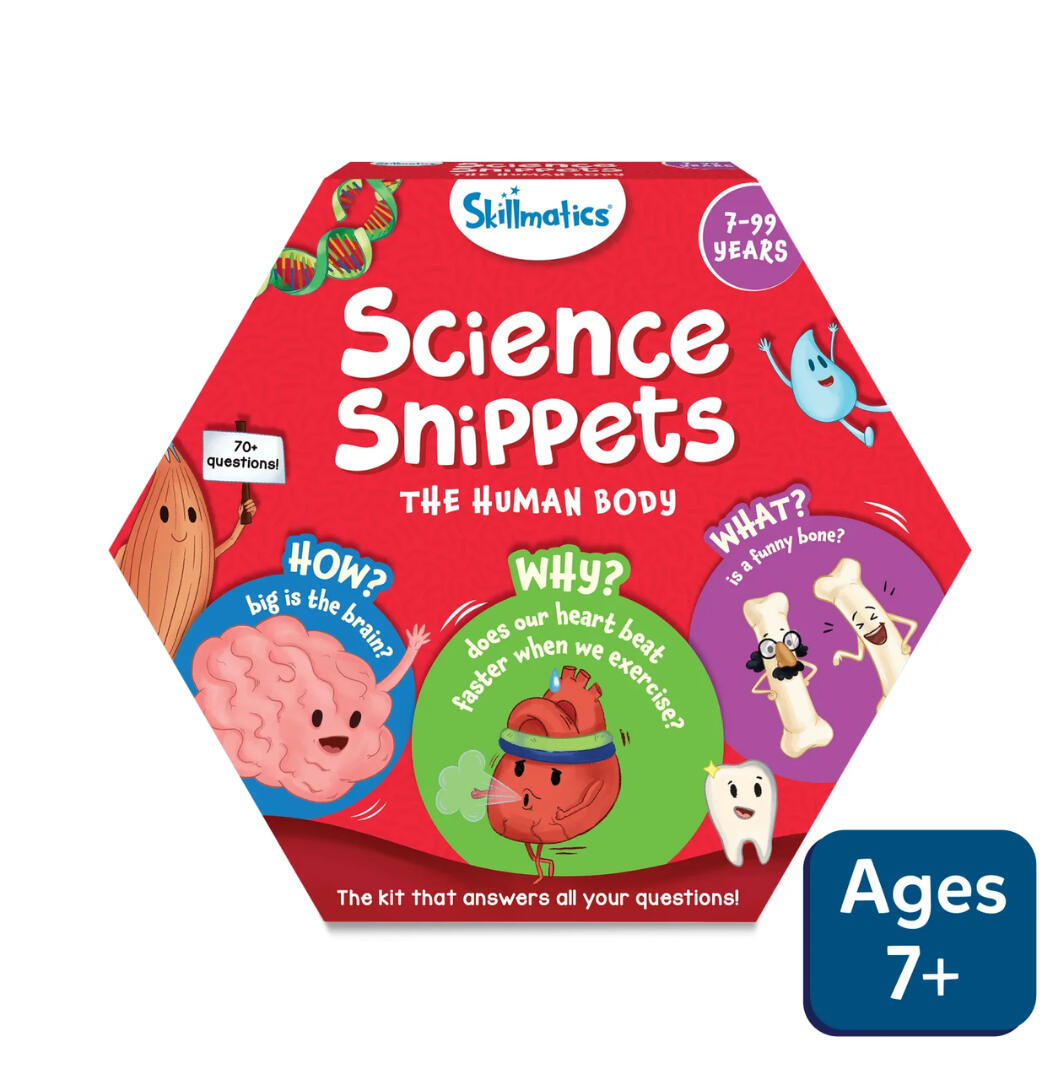
Erat risus aenean
Learning Resources for Little Learners
In the ever-evolving landscape of education, providing children with the right learning resources from an early age is paramount. As parents, educators, and caregivers, the tools and materials we introduce to our little learners can set the stage for their academic success and lifelong love of learning. The plethora of learning resources for kids available today can help develop essential skills, foster curiosity, and make learning an engaging experience.
The Importance of Early Education
Early childhood is a critical period for cognitive, social, and emotional development. During these formative years, children are like sponges, absorbing information from their surroundings. Learning resources for kids can help harness this natural inclination towards discovery, ensuring they gain the foundational skills necessary for future academic and personal success.
Types of Learning Resources for Kids
Books and Literacy Tools:
Board Books and Picture Books: These are ideal for introducing children to the world of reading. Engaging illustrations and simple text can help develop vocabulary and comprehension skills.
Alphabet and Phonics Tools: Flashcards, magnetic letters, and phonics apps can aid in letter recognition and early reading skills.
Educational Toys:
Building Blocks and Puzzles: These toys promote problem-solving, spatial awareness, and fine motor skills. They also encourage creativity and logical thinking.
STEM Toys: Science, Technology, Engineering, and Mathematics (STEM) toys, such as simple robotics kits and math games, can introduce complex concepts in a fun and accessible way.
Interactive Learning Apps and Websites:
Educational Apps: Many apps are designed to teach subjects like math, reading, and science through interactive games and activities. These can be a great supplement to traditional learning.
Online Learning Platforms: Websites like ABCmouse and Khan Academy Kids offer structured learning paths tailored to various age groups and subjects.
Arts and Crafts Supplies:
Creative Kits: Art supplies, such as crayons, paints, and clay, encourage self-expression and fine motor development. Craft kits with step-by-step instructions can also teach following directions and sequential thinking.
Music Instruments: Simple instruments like drums, tambourines, and xylophones introduce children to the world of music, enhancing auditory skills and rhythm recognition.
Outdoor and Physical Activity Resources:
Sports Equipment: Balls, jump ropes, and other sports gear promote physical health, coordination, and teamwork.
Nature Exploration Kits: Tools like magnifying glasses, bug catchers, and binoculars can spark an interest in the natural world and scientific observation.
Selecting the Right Learning Resources
When choosing learning resources for kids, consider the following factors:
Age Appropriateness: Ensure the materials are suitable for your child’s age and developmental stage. Resources that are too advanced or too simplistic can lead to frustration or boredom.
Safety: Prioritize non-toxic, durable materials, especially for younger children who may put objects in their mouths.
Engagement: Select resources that capture your child’s interest. Themes related to their favorite animals, characters, or activities can make learning more enjoyable.
Educational Value: Look for resources that offer more than just entertainment. They should provide meaningful educational content and align with your child’s learning goals.
The Role of Parents and Educators
While having access to excellent learning resources is important, the role of parents and educators in guiding and supporting children’s use of these tools cannot be overstated. Active involvement in a child’s learning process—through reading together, playing educational games, and discussing new concepts—helps reinforce the material and builds a strong foundation for continued education.
Conclusion
Investing in high-quality learning resources for kids is one of the best ways to nurture young minds and prepare them for future challenges. By providing a diverse range of books, toys, apps, and activities, we can create a stimulating learning environment that promotes growth, curiosity, and a passion for knowledge. As we support our little learners in their educational journey, we lay the groundwork for their success and well-being, both in school and beyond.